


Sandwich bots, sealed-bid auctions, and why the argument is aimed at the wrong target
Every few months a sandwich attack makes the news, and every time, my timeline fills up with the same two takes. Take one: “MEV is theft, the bots are robbing regular users.” Take two: “MEV is just the free market, deal with it.”
To be honest, I’ve stopped enjoying these debates. Not because the question isn’t worth asking, but because most of the people arguing have never read the original material — not the 2019 paper that coined the term, not the EigenPhi data, not a single builder dashboard. They read a headline about a bot making $800,000 and formed a worldview.
I did the reading. It took me a weekend and it changed my mind twice. So this article is my attempt to do what I always try to do here: go to the source first, then tell you what I actually think — which is that MEV is not a crime problem. It’s an auction-design problem. And the people who designed the auction solved more of it than the complainers believe.
First, read the original
The term traces to a paper you can read for free tonight: Flash Boys 2.0: Frontrunning, Transaction Reordering, and Consensus Instability in Decentralized Exchanges (Daian et al., 2019). The name is a nod to Michael Lewis’s Flash Boys, and the nod is the whole point — the authors saw that public blockchains were rebuilding, from scratch, the exact equity-market pathology Lewis documented on Wall Street.
What the paper actually establishes is narrower than the shouting suggests:
- When pending transactions sit in a public mempool, anyone can observe them and pay to jump the queue. That’s not a bug someone introduced; it’s a property of any transparent ordering system.
- Bots competing to jump the queue bid up gas prices against each other — the paper calls these priority gas auctions — and this revenue accrues to whoever produces the block.
- Left alone, this creates a pressure toward centralization: whoever builds blocks and also trades has an unbeatable seat.
Note the framing. The paper diagnosed a market-structure risk, not a crime scene. The crime framing came later, from people reacting to the worst strategy (sandwiches) as if it were the whole phenomenon.
Then go read the numbers, because the numbers are where the story actually twists. EigenPhi analyzed over 95,000 sandwich attacks from November 2024 to October 2025. Monthly extraction fell from roughly $10 million in late 2024 to about $2.5 million by October 2025 — while DEX volume grew from $65 billion a quarter to over $100 billion. The average profit per attack is just over $3. In October 2025, about 515 bots were active on all of Ethereum; roughly a third ran at break-even and 30% lost money outright. One searcher — jaredfromsubway.eth — accounts for around 70% of all sandwich attacks, winning not by being clever but by grinding out volume at $3 a pop.
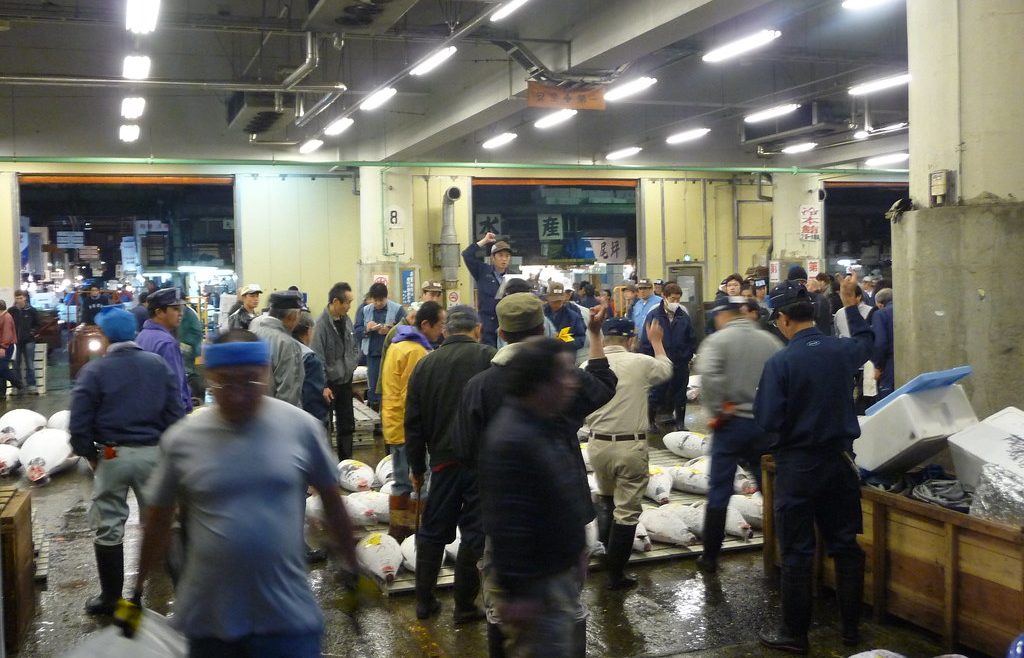
Look at those numbers and tell me who the victim of a crime is here. A competitive, thin-margin, mostly-unprofitable logistics industry does not look like a heist. It looks like a fish market at 4 a.m.

Now, my take — for your reference
Okay, source material covered. Here’s what I actually think, in three points. Each one starts by granting the popular view its due, because the popular view isn’t stupid — it’s just aimed at the wrong target.
1) “MEV is theft” — I understand the instinct, but theft has a definition, and this isn’t it. Theft means taking something you’re not entitled to. A searcher who buys before your trade and sells after it, inside the rules of an auction you implicitly entered by broadcasting to a public mempool, is doing something ugly — but it’s doing it through a mechanism that’s functioning exactly as specified. The honest formulation is: it’s not stealing the trade, it’s outbidding you inside your own trade. Which is why the fix was never going to be prosecution. It was going to be routing.
2) “The bots are getting rich off retail” — the data says the opposite, and this is worth internalizing. When sandwiches were extracting $10 million a month, this complaint had teeth. At $2.5 million a month across a hundred-billion-dollar quarterly market, with a third of bots bleeding cash, the villain narrative is describing a shrinking business. What actually happened is that the auction worked: searchers competed the margins away, and the surplus got bid into block space — which means it flows to validators, which means, in a Proof-of-Stake system, to ETH stakers. The extraction didn’t disappear; it got collectivized. You can dislike that redistribution, but call it what it is.
3) The real problem was never extraction — it’s information asymmetry, and that part is fixable by you, today. The sandwich only works because your pending trade is visible to bidders and you don’t get to bid back. Close the visibility gap and the attack starves:
- Set slippage to 0.5% or less on majors. A sandwich needs headroom. Don’t supply it.
- Route through a private relay — Flashbots Protect, MEV Blocker — so your transaction never enters the public mempool. Bots can’t bid on what they can’t see.
- For larger trades, use a settlement auction like CowSwap or UniswapX, which matches orders off-chain first. No pending swap, no sandwich, and competition among settlers works in your favor for once.

Ask yourself the uncomfortable question
Here’s the question I’d put to anyone still convinced MEV is unique villainy: front-running wasn’t invented on a blockchain. The term comes from brokers literally running ahead of a client’s order to the exchange floor. Railroads gave rebates to preferred shippers. Ports have auctioned berthing priority since there were ports. Whenever order is valuable and someone controls it, an auction appears — the only design question is whether it’s hidden and cozy or visible and competitive.
Ethereum’s answer, proposer-builder separation, chose visible and competitive: searchers bid, builders assemble, relays carry sealed envelopes, validators sell the slot. Over 90% of blocks are now built through this market. It’s an imperfect, occasionally ugly, still-centralizing-at-the-edges machine — I’m not going to pretend otherwise. But as an attempt to domesticate the oldest instinct in markets, it’s the most honest piece of systems design I’ve watched ship.
So no, I won’t be joining the “MEV is theft” chant, and I’m suspicious of anyone who does it without having read the paper. The queue was always going to be for sale somewhere. The achievement was putting the auction on the record.
(The End)


