


Upbit opened trading in JPYC, a stablecoin tied to the Japanese yen, on 17 September 2026. The market opened at 12 Korean won per JPYC. About an hour later it printed 37.6 won, more than four times its market value. The FSC blamed limited liquidity on the exchange.
On Monday 28 September, Yoo Young-joon, director of digital finance policy at the FSC, told a conference in Seoul that the regulator is considering a fix, as reported by Digital Asset and carried by Cointelegraph:
“We will also review the need to introduce systems such as market-making activities to increase the efficiency and stability of the digital asset landscape.”
He added that there were criticisms that user losses occurred from the price surge after the JPYC listing, so demands for discipline in this area are expanding.
Here is the judgement before the argument. A peg is not a property of the token. It is a property of the market structure around it, and that structure has to be paid for by someone. South Korea refused to exempt market makers from its rules, and then a yen stablecoin traded at four times its peg for an hour.

What Is a Peg Actually Made Of?
A stablecoin has two halves, and the industry discusses only one. The first is the token and the issuer: the reserve, the redemption path, the entity promising to hand back a yen. The second is an order book with a standing offer to trade against anyone, at a price the issuer does not control. The first half defines a reference value. The second is what makes the market print near it.
The service being bought is specific, and it is what Korea removed. A market maker quotes both a buy price and a sell price in an asset it holds in inventory, hoping to earn the gap between them, the spread. Those quotes must be up at the same time or the service does not exist. That two-sided obligation is the product. It costs the maker the spread it gives up, and inventory risk, the chance the price moves against the inventory it is forced to hold. A maker who quotes one side is a speculator wearing a market maker’s badge.
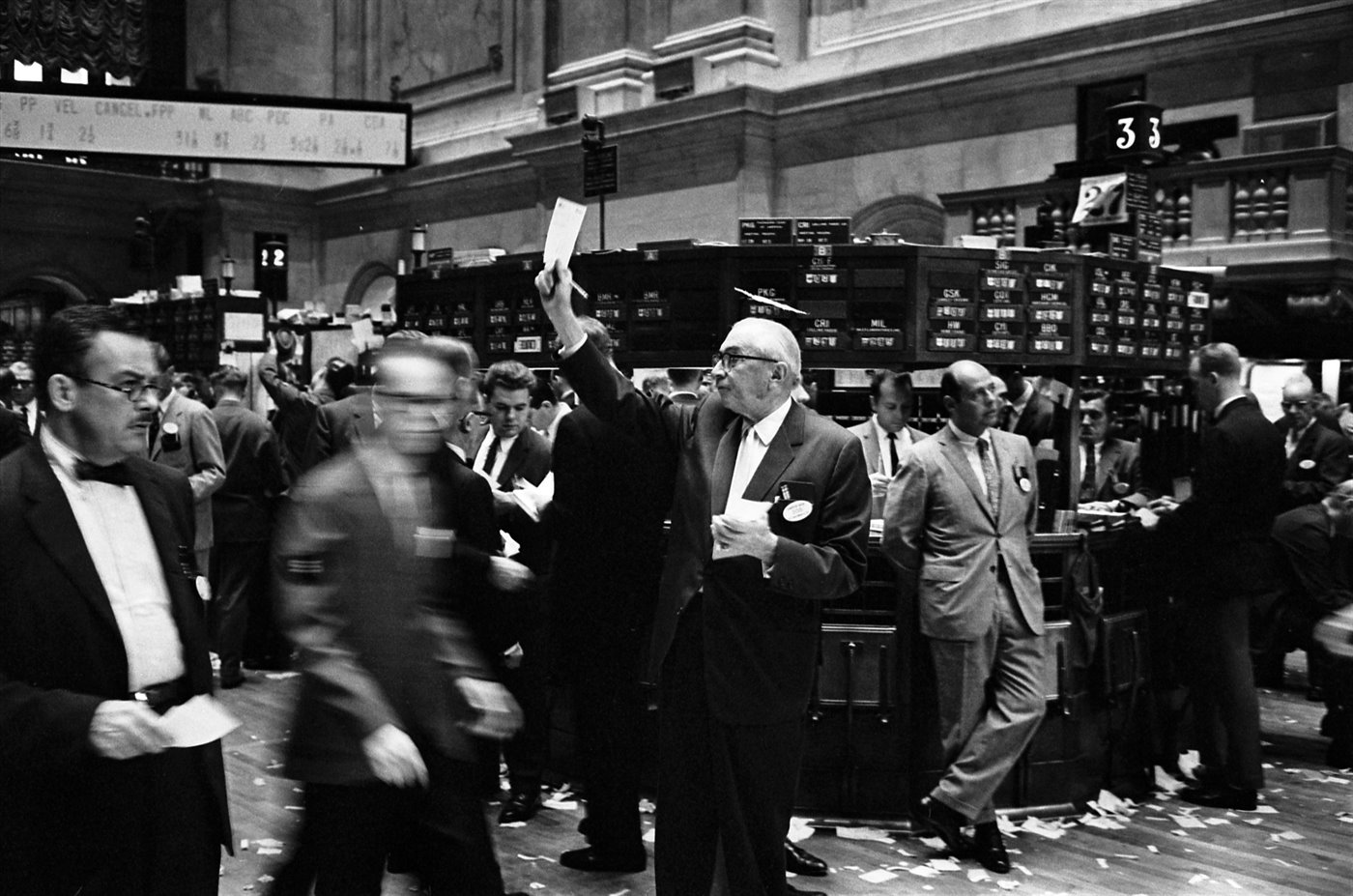
For most of the twentieth century that person had a name and a seat. That name was the specialist. The next fifty years were an argument about how much of that function could be automated and how much had to stay an obligation attached to a firm with a balance sheet.
Where Did the Market Maker Come From, and Who Pays for It?
Trace it backwards. The New York Stock Exchange and NYSE American have designated market makers, formerly called specialists. A specialist acts as the official market maker for a security, provides a required amount of liquidity, and takes the other side of trades when buy and sell orders are temporarily imbalanced. In return it is granted informational and trade execution advantages no ordinary participant receives.
NASDAQ-style venues run several competing official market makers per security instead of one. Those dealers must maintain two-sided markets during exchange hours and are obligated to buy and sell at their displayed bids and offers. Their privileges include the ability to naked short a stock, selling shares they have not borrowed. A duty on one side, a granted power on the other.
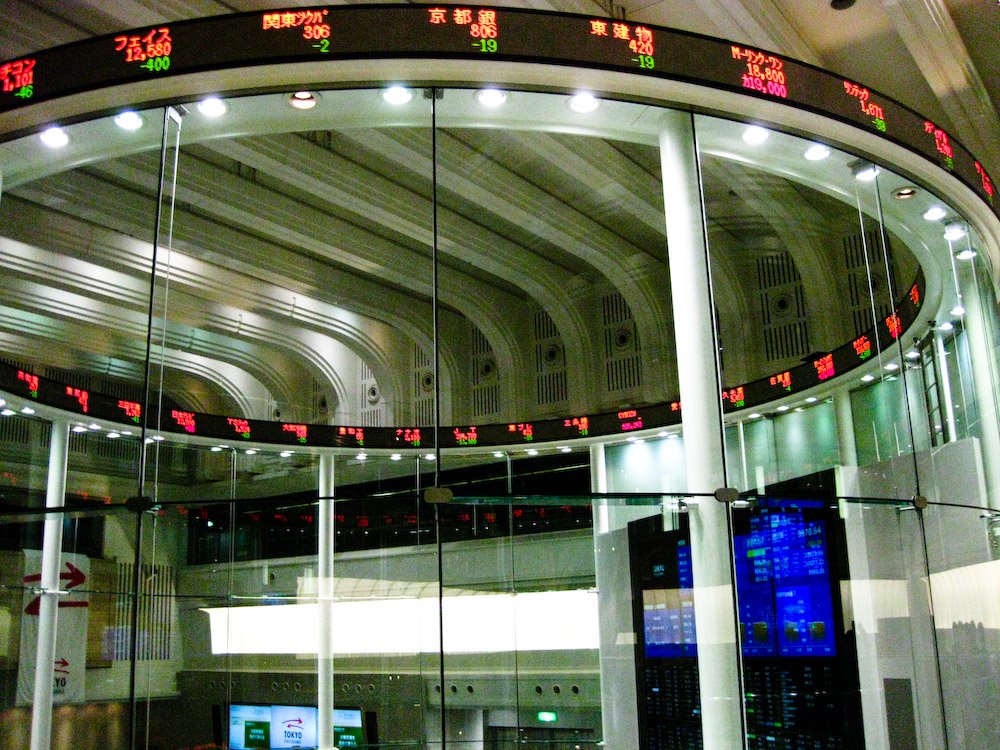
The Tokyo Stock Exchange has run an ETF market making incentive scheme since 2018, paying designated market makers who keep quoting obligations in qualifying ETFs. It buys the quoting. It does not hope.
Then came Reg NMS in 2005, a US SEC regulation aimed at modernizing and strengthening the National Market System for equity securities. Its Order Protection rule, Rule 611, gives intermarket price priority to quotations that are immediately and automatically accessible. The rule has been criticised for adding to market fragmentation and to the technology and exchange costs borne by market makers.
The economics are short. The spread is the wage. Inventory risk is the risk. Everything else, the rebates and the naked-short privilege, exists so the wage is worth the risk and someone with a balance sheet shows up. Every major exchange outside Korea runs a formal designated-market-maker programme with fee rebates and quoting obligations. That is production practice, not a regional taste.
So What Did Korea Actually Ban?
South Korea’s Virtual Asset User Protection Act contains no exemption for market making from its market manipulation provisions. That sentence sounds procedural. It is the whole game. In practice it prevents market makers from providing liquidity at all: the act they are paid to perform is unreadable from the statute.
The regulators’ reasoning was not stupid. A 2024 peer-reviewed paper in the Seoul Law Review by Lee Min Jung, a researcher at KB Securities, said regulators did not allow crypto market making because it could amount to market manipulation. She argued that introducing market makers was premature for now, while noting regulators could consider a carve-out once the market becomes more stable. The FSC’s own staff rationale followed the same line.
The cost of that sequencing showed up in the data. A paper by Yoonyoung Choi of the Korbit Research Center argued the domestic crypto market has serious liquidity problems because there is no formal market maker system, leading to price discrepancies and high volatility. It cited the Kimchi premium, the persistent gap between Korean and overseas prices, as the chronic symptom.
Here is the engineering objection. The rule conflates a behaviour with a function. Wash trading is a behaviour. Marking the close is a behaviour. Front-running a listing is a behaviour. Quoting both sides of a book all day is a function. The first three move a price for one participant’s benefit. The fourth is the mechanism by which a price stays still. A statute that cannot tell the difference removes the honest function, not the behaviour.
What Did the Ban Actually Buy?
Apply the benefit-first test. What did the ban deliver, measured in time, money and stability? A fourfold print on a fiat-backed yen instrument that lasted an hour. User losses. A regulator walking the policy back in public. That is the return on a rule meant to protect users.
The mechanism is not mysterious. With no standing quotation obligation and a thin book, the first seller into an above-peg market collects the entire gap. Nobody is obliged to sell against them and nobody is obliged to buy under them. In a functioning market, the moment the price detaches from the pegged value, a maker with inventory and a two-sided obligation leans against the move, and the gap closes in seconds. In Seoul, the people who would have done that work were not permitted to be in the market. The price did not break because the token broke. It broke because the structure holding it in place had been removed.
What About Alameda?
Alameda Research. A crypto trading firm co-founded in 2017 by Sam Bankman-Fried, with strategies that included arbitrage, market making, yield farming and trading volatility. It acted as FTX’s main market maker, at times taking trading losses to attract customers. Public data reviewed by the Wall Street Journal showed that between early 2021 and March 2022, Alameda accumulated crypto tokens ahead of FTX listing them, especially on Ethereum, worth about $60 million. FTX and Alameda filed for Chapter 11 bankruptcy in November 2022.
It is fair to raise this against everything above. A market maker with an undisclosed relationship to the venue listing the assets can extract value no external maker could. That happened. But the failures were undisclosed conflicts, self-dealing and an absence of surveillance. The role was not the crime. The conduct around the role was. So the lesson is not that market making should be illegal. It is that market making has to be a registered, surveilled, obligated activity, with conflicts on the record and the quoting duty in the contract.

Why Does This Matter Beyond One Korean Exchange?
Upbit is not one venue among many in Korea. Founded in 2017 and operated by Dunamu, one of the country’s highest-valued startups, it became the top global cryptocurrency exchange by 24-hour trading volume about two months after launch. In November 2025, Naver Financial announced plans to acquire Dunamu, Upbit’s parent. When one order book in one city sets the price the rest of the country reads, that book is a single point of failure.
The policy picture is the same brand of unfinished. When legislation stalls, the agency writes the rules instead. The FSC said in July 2026 that it planned to introduce a consolidated Digital Asset Basic Act covering stablecoins and the broader crypto market, including rules for digital asset businesses, exchanges, disclosures and internal controls, much as US regulators moved once the Clarity Act died. Lawmakers have yet to settle several key aspects, including rules for won-denominated stablecoin issuers.
RedotPay, a stablecoin payments company, said it completed a financial audit as part of its preparations to go public in the US, and disputed an August report that the listing had been put on hold. A Visa survey reported on 27 September 2026 found that 56% of Americans had never heard of stablecoins, and that many who had assumed they were as volatile as bitcoin. Bitcoin ETFs drew $2.4 billion in the week through 26 September 2026, their biggest weekly inflow since October 2025.
What Should Actually Be Written Into the Rules?
The instinct in Seoul right now is to write a licence. Obligations beat licences. A licence says who may operate. An obligation says what they must do at 3 a.m. on a thin book. A two-sided quote duty with a maximum spread and a minimum size. An uptime requirement, because a maker absent when a peg detaches provided nothing. Inventory and concentration limits, so one firm’s balance sheet cannot become the whole book. Special provisions for listing days, because the JPYC print happened on day one. Disclosure of the relation between maker and venue, the Alameda lesson stated as a filing requirement. And surveillance aimed at the behaviours the manipulation provisions already name: wash trading, marking the close, front-running a listing. Obligate the function. Prosecute the behaviour. Keep the two in separate clauses.
The political fight will be about who gets the licence. The technically important part is what the licence obliges, because in the 80% of the time when nothing is happening, the obligation is the only thing between a peg and a headline. Rules that cost more to run than the market they protect are not rules. They are overhead.
Restate it plainly. The peg was never in the token. It was in the structure around it: an order book and a firm with a duty to quote both sides, a structure that costs money somebody has to pay. South Korea stopped paying. In September 2026, on one yen stablecoin, in about an hour, the market sent the bill.


